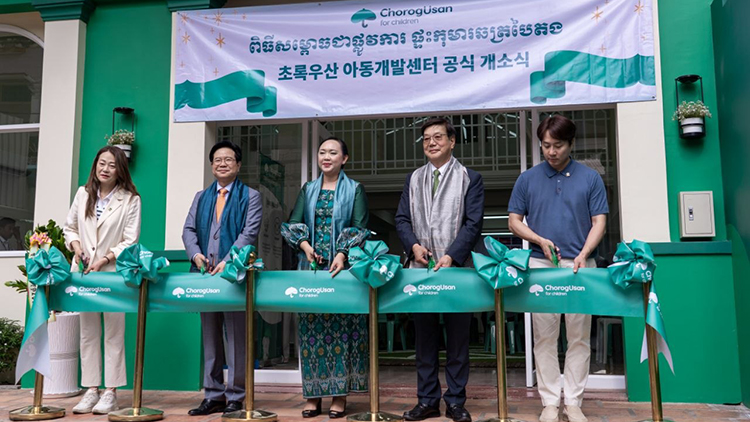
Marking a significant milestone in its deepening commitment, ChorogUsan for children (CUFC) hosted the "Project Achievement Sharing Workshop" on August 24. Bringing together over 60 key stakeholders—including senior officials from the Ministry of Education, Youth and Sport (MoEYS), partners, and youth representatives
PHNOM PENH – Marking a significant milestone in its deepening commitment, ChorogUsan for children (CUFC) hosted the "Project Achievement Sharing Workshop" on August 24. Bringing together over 60 key stakeholders—including senior officials from the Ministry of Education, Youth and Sport (MoEYS), partners, and youth representatives—the workshop was convened to discuss the future of Cambodia’s education system, strategically aligning with the nation’s Education Strategic Plan leading up to 2030. At the workshop, CUFC Country Director, Mr. Jaekyun Rho, delivered a compelling welcome address, stating, "Transforming this vision into reality requires unwavering partnership to support students throughout their entire education journey, starting from early childhood and foundational learning."
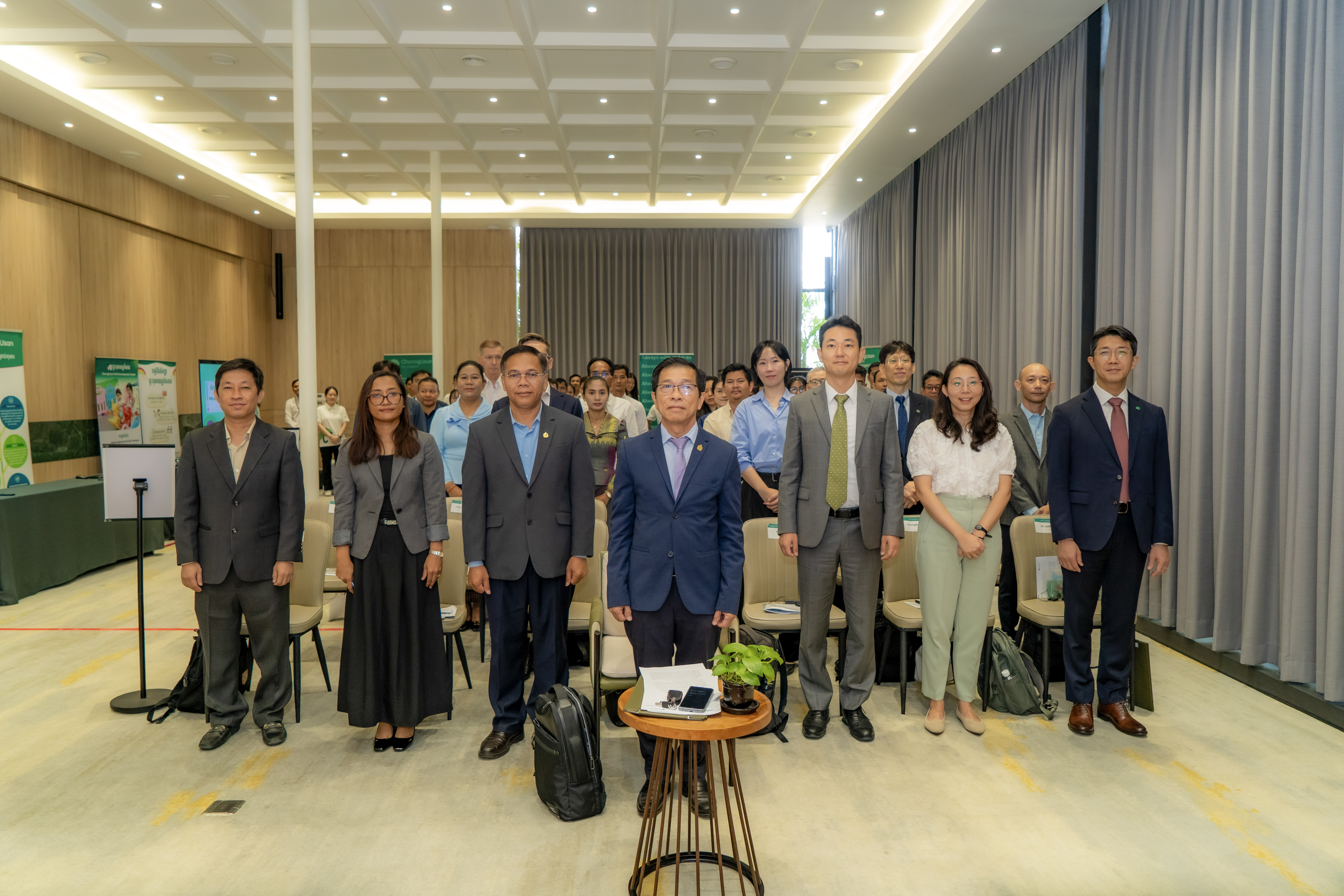
Delivering the opening keynote address, H.E. Ung Chhinna, Director General of the General Department of Education at MoEYS, underscored the vital importance of multi-sectoral partnerships in advancing the nation’s educational goals.
He noted that Cambodia has made significant progress in expanding access to education and improving learning quality, with the Ministry continuing to prioritize equity, quality learning outcomes, foundational literacy, and digital transformation. Highlighting that education is a continuous learning journey, he urged stakeholders to look beyond mere outputs and encouraged participants to view project achievements through the lens of evidence, lessons learned, sustainability, and tangible contributions to the broader system.
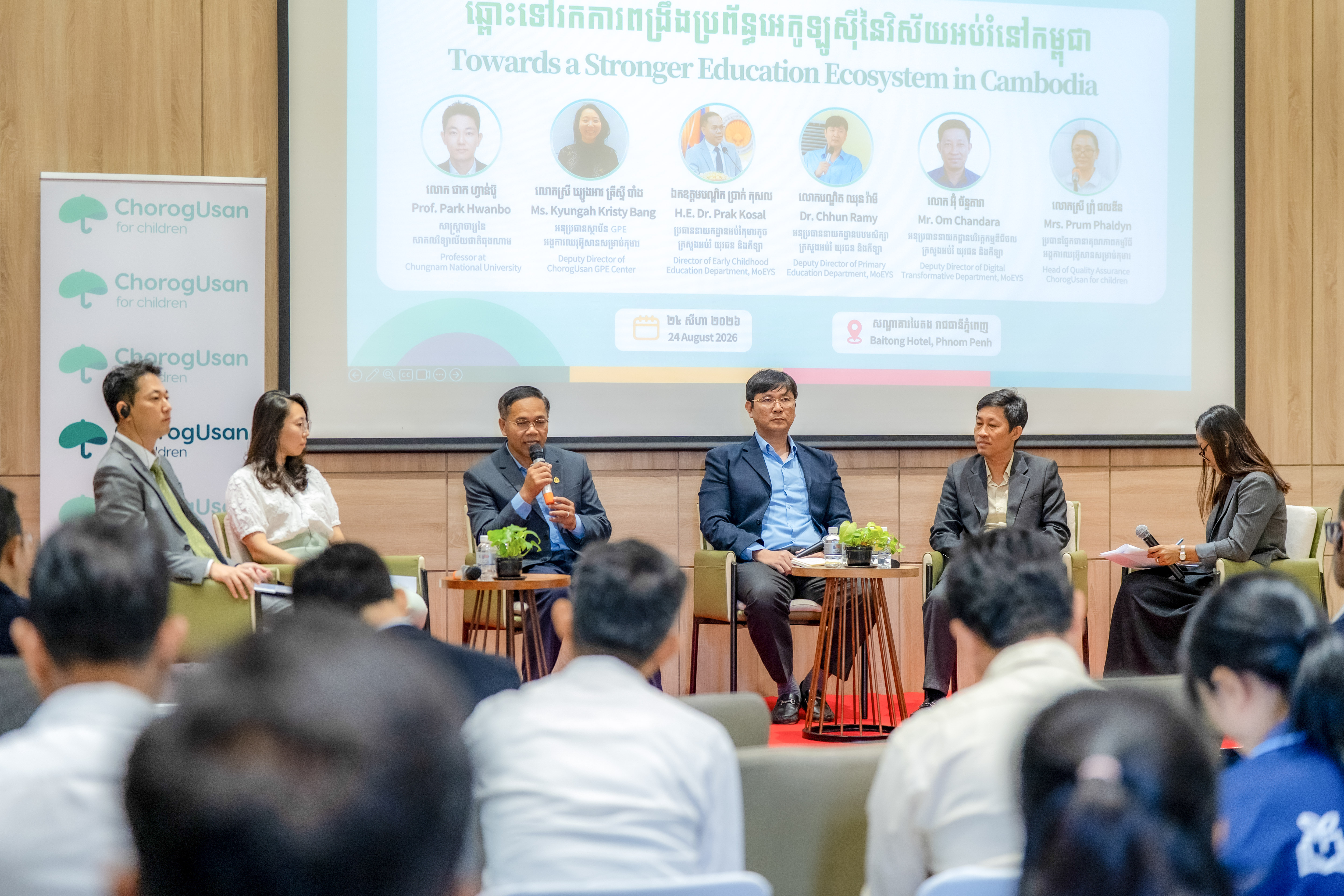
Through shared evidence and open exchange, the event transitioned from project showcases into a dynamic panel discussion, bringing together top MoEYS department heads and education experts to explore how localized successes can be seamlessly integrated into national policy.
Mr. Om Chandara, Deputy Director of the Department of Digital Transformation (DDT), examined the conditions necessary at both the school and policy levels to scale successful digital pilot programs nationally. He specifically highlighted the potential to integrate localized digital tools developed by NGO partners into standard curricula, pointing to the Improve Digital Education for All Learners (IDEAL) project, which is currently being implemented by KAPE (Kampuchea Action to Promote Education) across 12 schools and reaching 9,000 children. Complementing this government perspective, Professor Park Hwanbo of South Korea's Chungnam National University outlined the evidence-based factors required for long-term sustainability. He grounded his insights in the Improve Digital Competency in Education (IDCE) Project—implemented by ChildFund Cambodia and supported by ChorogUsan for children from 2023 to 2025 across 17 schools, benefiting 32,000 children—demonstrating how a project's impact can endure well beyond its implementation phase.
Equally critical to these technological advancements is the foundational learning required at the earliest stages of a child's education. Shifting the focus to the critical "handoff" between early childhood development and primary education, panelists H.E.Dr. Prak Kosal, Deputy Secretary General of NC-ECCD and Director of the Early Childhood Education Department (ECD), and Dr. Chhun Ramy, Deputy Director of the Department of Primary Education (DPE), discussed how to better reflect this continuum in national planning. The discussion drew on CUFC’s newly launched Boeung Trabek Child Development Project (BT-CDP) that has established one child development center benefiting 320 children, and the KOICA-funded Easy to Learn (E2L) Phase III project, implemented in 17 schools, benefiting 6,020 children, to illustrate how strategic investments in school readiness directly enable and sustain foundational literacy and numeracy outcomes.
To ensure these comprehensive, cross-sector efforts are sustained and scaled, the workshop also explored the crucial role of global partnerships by introducing the ChorogUsan Global Partnership for Education (GPE) Center. Ms. Kyungah Kristy Bang, Deputy Director of the GPE Center, discussed how global frameworks can effectively complement, rather than duplicate, Cambodia's localized education priorities. This opened strategic discussions on what MoEYS and CUFC require from one another to accelerate progress toward the 2030 Education Strategic Plan targets and reinforced a shared commitment among the Government, NGOs, and development partners to ensure that every child in Cambodia has equitable access to the quality education needed to contribute to the nation’s future development.
About ChorogUsan for children
ChorogUsan for children was founded in 1948 with a vision to make a world where children are happy. Dedicated to protecting children's rights, the organization works across multiple sectors including education, child protection, and community development. ChorogUsan has been actively supporting Cambodia since 1995. In 2024, the organization officially registered its Cambodia Country Office, working to strengthen the national educational ecosystem from the ground up through specialized programs focusing on Digital Education, Primary Education, and Early Childhood Development. Through its ongoing support in Cambodia, current projects have reached one child development center, 46 schools, empowering nearly 50,000 children.